
A Texas Author’s Exploration Of Colombian Violence
Adriana E. Ramirez's latest book, The Violence: My Family's Colombian War is a literary non-fiction account of the period in Colombia simply known as The Violence

The first five minutes of my interview with Adriana E. Ramirez was barely coherent screaming.
It was Wednesday, November 4. The night before, I was at a press performance of Beetlejuice: The Musical of all places when the actor playing the title role announced after bows that James Talarico had been elected the first Democratic senator in Texas since 1988. The Hobby Center erupted into cheers and tears of joy, and I was up until 4 a.m.
Ramirez lives in Pittsburgh, Pennsylvania now, but the recent political news brought out the McAllen in her voice as we talked. She’d watched the election returns, then got up early to dig out her poster of former Texas Governor Ann Richards. The one where the former governor is holding a shotgun with a devilish grin. Ramirez hung it in her window much to the confusion of her East Coast neighbors who did not appreciate the hope an armed old lady represented.
Ramirez’s Colombian family knows all too well how often hope and guns go together. Her latest book, The Violence: My Family's Colombian War is a literary non-fiction account of the period in Colombia simply known as The Violence. Through interviews with her grandmother and other relatives who survived the brutal, tumultuous decade in the middle of last century, she lays out how ordinary farmers and ranchers ended up in political fights that left almost 200,000 people dead.
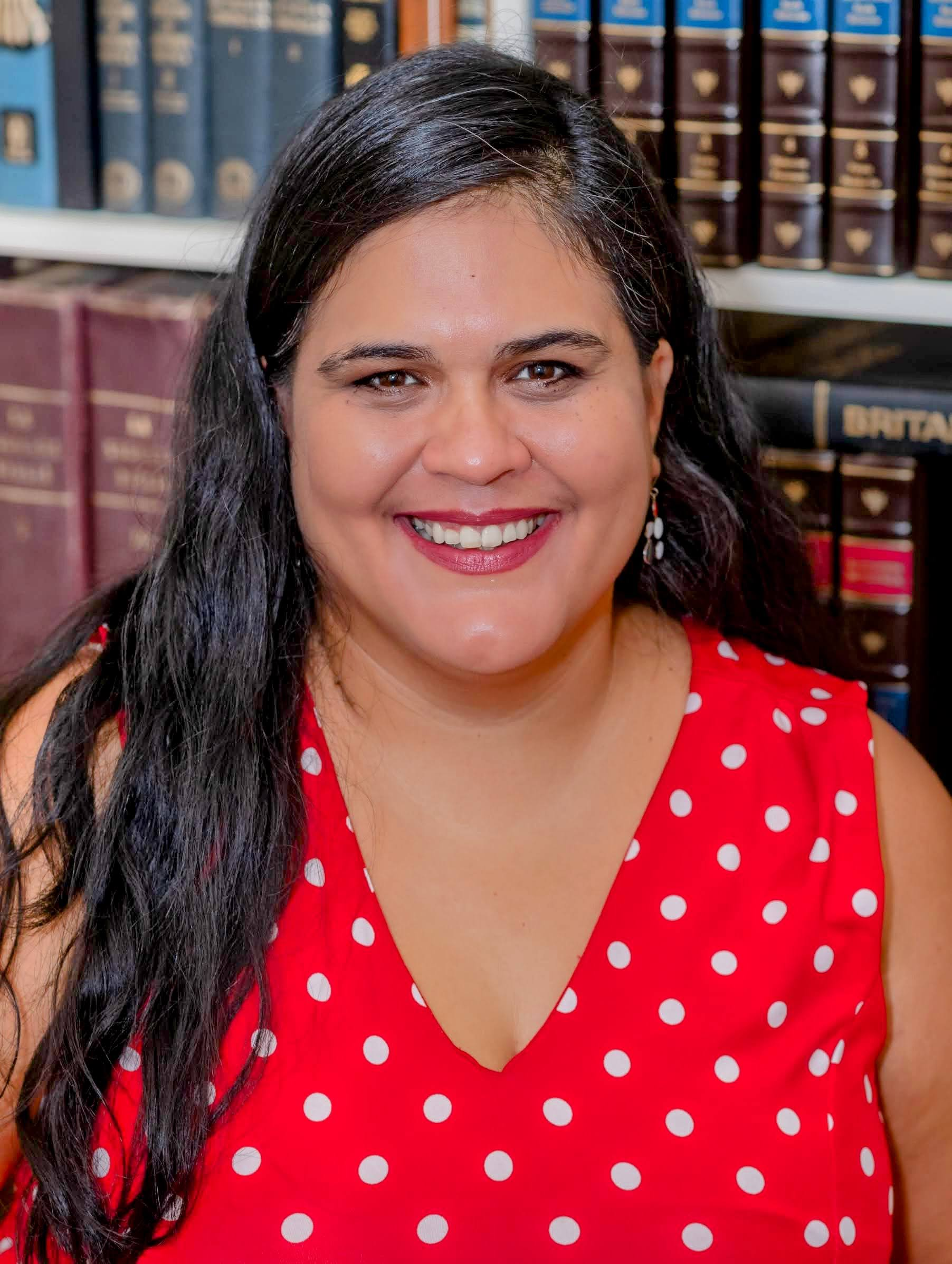
“Nobody wants a narco who's human or a terrorist who's human or a guerrilla fighter who's human, who had ideals then, you know, broke from them,” she said in a phone interview.
Ramirez has spent the better part of a decade interviewing her family about The Violence. Though a non-fiction book, it flows like a novel, easily shifting from idyllic pastoral life to terrifying brutality. At one point she describes a Romeo-and-Juliet romance between her great uncle (a liberal) and the daughter of a conservative family. With bodies piling up simply for associating with the other political side, the girl’s father refused to let her see Ramirez’s uncle anymore.
Some liquor and leftover dynamite later, the uncle blew up the family’s car and his love’s mother by accident with it. It’s a great example of how The Violence changed everything, Situations that would have been normal were amplified by the circumstances.
“I think any time you're dealing with people that have power, that is corruptible, it will never be good guys or bad guys.”
Ramirez goes to great lengths to view history specifically through the lens of her family, highlighting their stories and experiences as they were shaped by the conflict around them. Her grandmother’s dreams of being a doctor died in the conflict even if she herself survived. Possibilities were eradicated while others opened up.
The result is an intensely moving book that puts humanity rather than statistics first. Ramirez jokes that the book is her Grapes of Wrath, and she has definitely captured the pathos of Steinbeck as well as a deep connection to the land being torn apart by civil war. Her family had long since given up hope the book would ever actually be finished, and a huge chunk of the reason is because the more personal tales she encountered the more the book changed to fit those tales.
“I had so many other ideas for how to tell the story of the guerrilla and The Violence,” said Ramirez. “ It took seven drafts before I found that narrative through line. The story just emerged in front of me. And so yeah, as you're working on a book of nonfiction, I would say open yourself up to whatever the narrative has to teach you. The stories pop up? Don't resist. Lean in and see where it takes you.”
As we finished talking about the book, Ramirez chatted about her return to Texas for some book events and a wedding. She spent a great deal of her life in the Houston area, and we dropped the subject of politics to trade stories of late-night meals at Chapultepec on Richmond, dancing at Numbers, and other mundane but terribly important parts of normal lives.
The Violence: My Family’s Colombian War is out now.
Comments ()