
The Dallas Art Fair: A Balance Of Growth And Consistency
Since it started in 2009, the Dallas Art Fair continues to grow and find a steady niche in an art world being rocked by international events
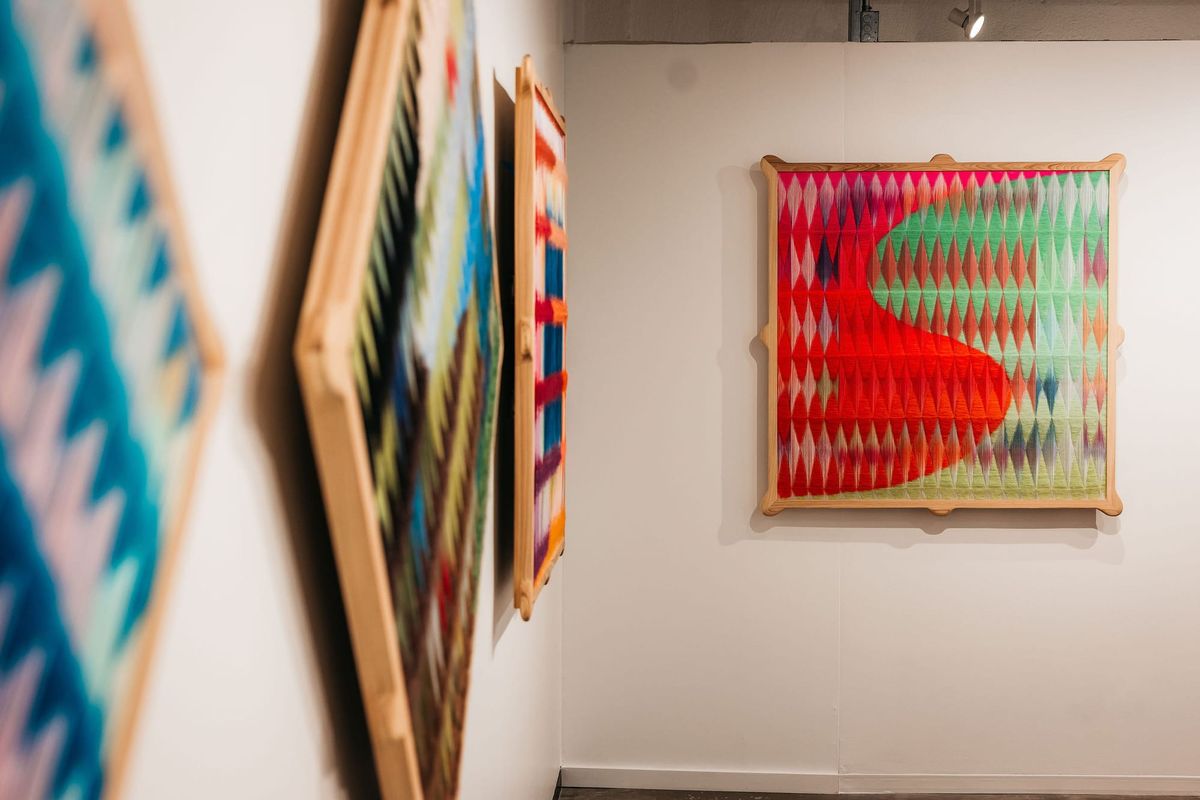
The Dallas Art Fair (DAF) wants to help the city of Dallas evolve into a premier art hub. Director Kelly Cornell described the fair whose eighteenth iteration just concluded this past weekend as “leading” and “global.” The fair was founded in 2009 by developer John T. Sughrue, who later acquired Marburger Farm in Round Top, with curator and friend Chris Byrne. “Why do I want an art fair in Dallas? So I can go to it,” Sughrue told D Magazine.
The fair opened in Sughrue’s own Fashion Industry Gallery where it remains to date. While the DAF’s inception was planned during an economic boom, its opening in 2009 coincided with the recession. Nonetheless, the fair proved its “record of resilience” and grew steadily, from 35 to a steady number of 90+ galleries. In 2015, Artnet praised the fair’s “new great galleries” and that “plenty of art” was sold. Now the high-caliber events surrounding the fair, like a benefit gala, a satellite art fair at a luxury hotel and VIP invitations to a chic Tokyo-inspired bar, multiply year after year.
Other major cities like Chicago, Los Angeles or Philadelphia already had their own art fairs for decades at this point. But for Dallas, as well as Texas as a whole, this scale of art event was a novelty. But is the DAF, a rare, independently run regional fair, enough to establish Dallas as a global art player?
In 2016, then-26-year-old Cornell, who started at the DAF as an intern, became the fair’s director; the same year, an acquisition fund to benefit museums like the Dallas Museum of Art was established. Cornell strengthened the fair’s partnership with the DMA and built strong ties with important art institutions like the Nasher Sculpture Center and the Dallas Contemporary while securing vital sponsors for the fair like the Bank of America.
Another important factor for the rise of the DAF lies within the extraordinary population growth of the Dallas-Fort Worth metroplex: over a million people moved here in the last decade. This largest population influx in Texas’s history helped facilitate the fair’s growth and national reputation, not only in bringing new wealthy collectors to Dallas, but artists and gallerists as well. Art foundations like The Warehouse and Green Family were founded in Dallas in recent years, as did notable galleries like Akim Monet and 12.26.
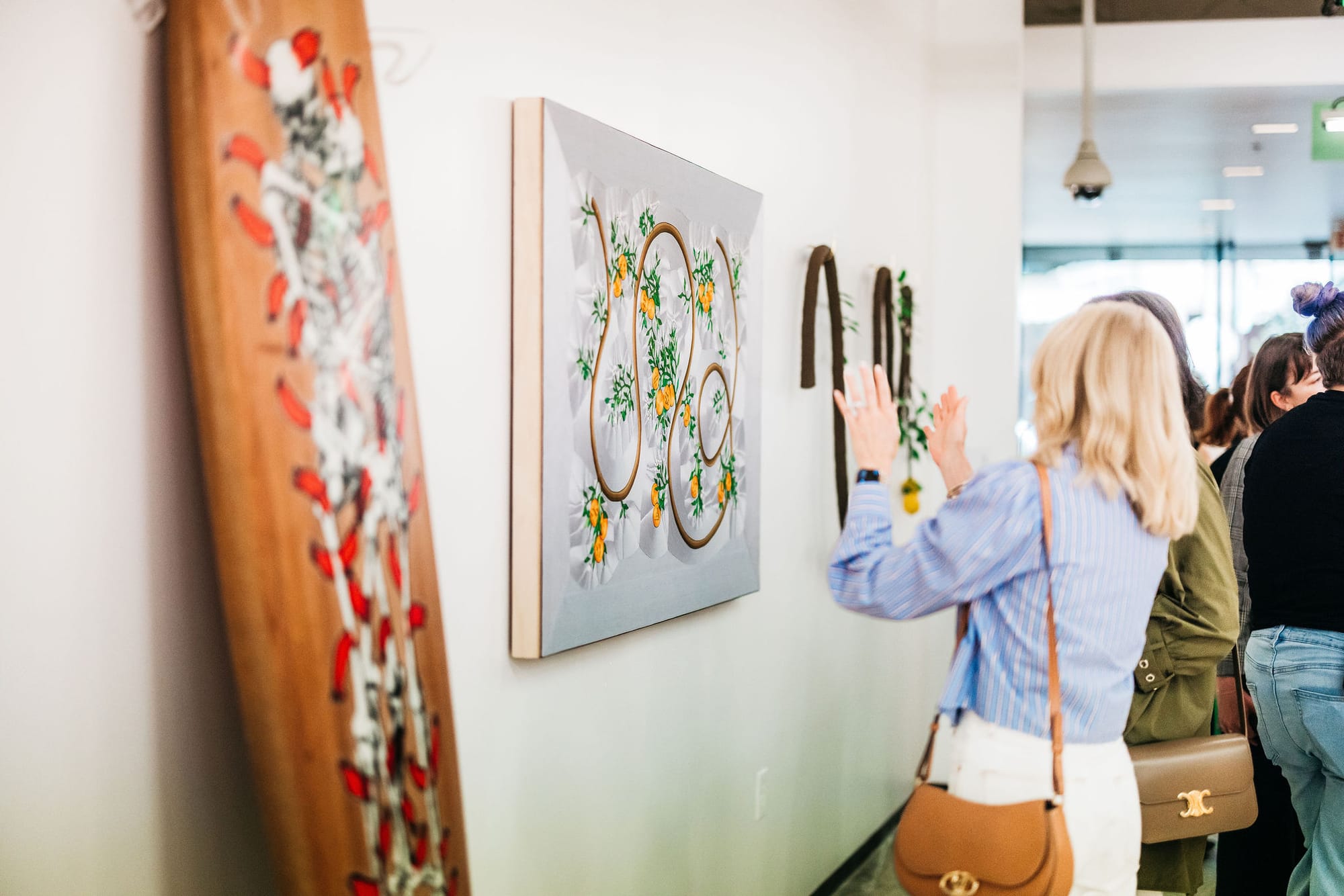
The DAF has worked to find its niche. The four so-called mega galleries (Gagosian, Hauser & Wirth, David Zwirner and Pace Gallery) exhibit at fairs like Art Basel Miami Beach, Frieze London or New York. To date, they are still missing at the Dallas Art Fair. And other famous international galleries like German Max Hetzler or London-founded Lisson Gallery have not returned to Dallas after previous collaborations.
Some of the best known names to show at DAF are French-founded gallery Perrotin, LA-born Anat Egbi and New York’s Hesse Flatow. If achieving acclaim is a numbers game, the DAF still lags with the total number of galleries. At this year’s EXPO Chicago, for example, 130 galleries displayed.
DAF has formed, if inadvertently, a distinct identity that separates it from “mega” art fairs like Art Basel Miami Beach or Frieze through its (perhaps unintentional) aversion to controversial or overly political art. Israel and Palestine, in particular, have divided the art world in recent years.
Beyond that particular conflict, other international events are making their mark, even all the way in Dallas. Many important art economies were completely missing this year, including from Germany and China. Still, there were about 20 international galleries at this year’s DAF.
Colombian gallerist Beatriz Esguerra, a consistent participant of the fair for over a decade, identifies “a natural connection to Latin American art” at the fair and notes that “the stories our artists bring feel relevant rather than distant.” For Esguerra, the appeal in DAF lies in it not being “cookie-cutter” like some of the other major art events in the country. “Unlike larger fairs where much can feel familiar, Dallas offers a genuine sense of discovery.”
Japanese gallerist Koki Ishibashi similarly praised the “deep appreciation in the US for the unique perspectives of Japanese artists” and the “diverse mix of galleries from different cities it attracts each year.” The fair seems to offer a sense of stability in an ever-changing art world; there is a loyalty and quasi-devotion to the collectors.
As Esguerra concludes: “There is something very particular about Texas: there is time. Time to look, to reflect, and to have meaningful conversations. That pace allows for deeper engagement and makes the experience especially rewarding.”
Time will tell how far Dallas’s art influence can expand.
Comments ()