
Houston Native Explores Addiction In New Book
The book summarizes a journey in helpful, exquisitely written bites that tackle common misconceptions one at a time and reframe them through the disease lens

Stephanie Wittels Wachs’s brother Harris died of an opioid overdose on February 15, 2015. He was 30 years old, a successful comedian, a writer on Parks & Recreation, supported by a loving family, and had undergone multiple treatments for his substance use disorder. Still, he died anyway.
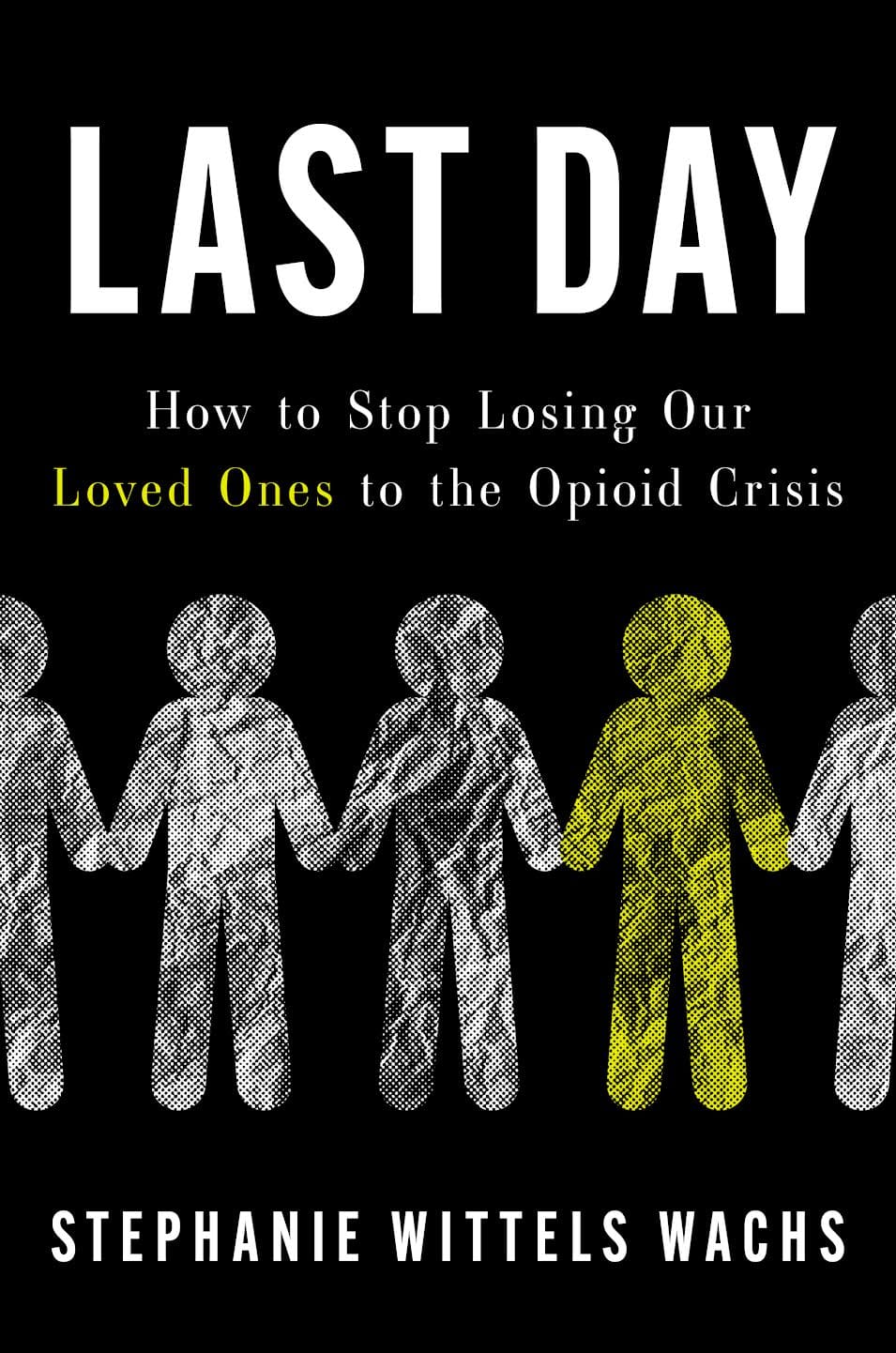
Wachs took it hard, which is reasonable, but she also took it as a criticism of the way society views addiction. She has spent the last decade trying to change people’s understanding of the disease of addiction through her podcast, Last Day, and her latest book of the same name, subtitled How to Stop Losing Our Loved Ones to the Opioid Crisis. Through conversations with experts and people in recovery, she illustrates how the opioid crisis is made worse by seemingly outdated, unscientific, and unkind opinions on addiction.
“When we lost Harris, I went through the whole gamut of emotions that family members go through, and I felt angry and scared and sad and disappointed and frustrated and all of those things,” she said in a phone interview. “But really, my primary feeling was like desperate for answers.”
The Wachs siblings grew up in the Montrose neighborhood of Houston, just a few miles from the largest medical complex in the world. Despite being within walking distance of such groundbreaking medical advancement, addiction treatment remains mired in antiquated viewpoints that treat it as a moral failing rather than a chronic condition. Wachs absorbed those viewpoints, even as she watched the disease kill her brother.
The book summarizes her journey in helpful, exquisitely written bites that tackle common misconceptions one at a time and reframe them through the disease lens. In particular, Wachs highlights how she found her brother being on medications for opioid use disorder (MOUDs) to be trading one drug for another. The goal was cleanliness, right? To be free forever of the taint of narcotics?
“It’s so absurd to think that you could put a cancer patient in chemo for thirty days and they’ll be fine,” she said. “That you would put a diabetic into thirty days of treatment and they’re done and cured. This is a lifelong chronic illness we are talking about, and there is a true lack of understanding.”
What sets Last Day apart is how Wachs never shies away from her own culpability in promoting outdated thinking. Without resorting to performative scourging, she uses her own failures in understanding as a jumping off place to speak to experts about how things can be different.
For instance, the “sin” framing of addiction neglects a simple fact: drugs of choice lessen pain. Addiction is when the brain rewrites itself so that the only path out of anguish is the substance. Using is a mechanism of survival.
“People don’t use drugs to feel bad. They use drugs to feel better, point blank,” said Wachs. “A friend of mine asked me recently, ‘why do you think it was so hard for Harris to go to treatment?’ Because he liked using drugs. It provided benefit. We all do things that make us feel better. They might not be drugs but everyone has their thing, right? I think if you look at somebody who’s using any substance as a pain reducer, as a coping mechanism, you have more empathy and compassion for what they’re going through.”
The opioid criss in the United States is rampant. In the last two decades it has killed roughly 800,000 people, a number just marginally lower than every American who died of COVID. The proliferation of OxyContin, which maker Purdue advertised as having a low risk of dependence, jumpstarted a wave of addiction across the country. The introduction of fentanyl, which has a longer detoxification process than heroin, further exacerbated the problem.
And yet, the power structures in the country still seem intent on treating the problem as a crime wave instead of a health crisis. Long-term care for addiction is expensive and often lacks public funding (especially in Texas). Most conversations from Texas leaders about fentanyl are more concerned with border enforcement than attacking the health implications.
Last Day is proof that changing your mind about addiction is possible as long as you go into it motivated and willing to listen. Throughout the book, Wachs highlights how she was wrong and, by proxy, how the average person who isn’t suffering from addiction is too.
“If you change the stories that people tell, the laws will follow, right?” she said. “I think that’s really important, but I think we have to start on a personal level, destigmatizing that stuff, making it feel like it’s something that is socially acceptable to talk about. Making people feel safe to not use alone because that’s where we get into really deadly territory.”



Comments ()